October 26, 2026
Finding a mortgage is not simply a matter of choosing the lowest advertised rate. Loan programs have different requirements for credit, income, down payments, property types, occupancy, and loan amounts. A borrower who qualifies for one option may not qualify for another, and the loan with the lowest initial cost is not always the best fit for the borrower's long-term plans.
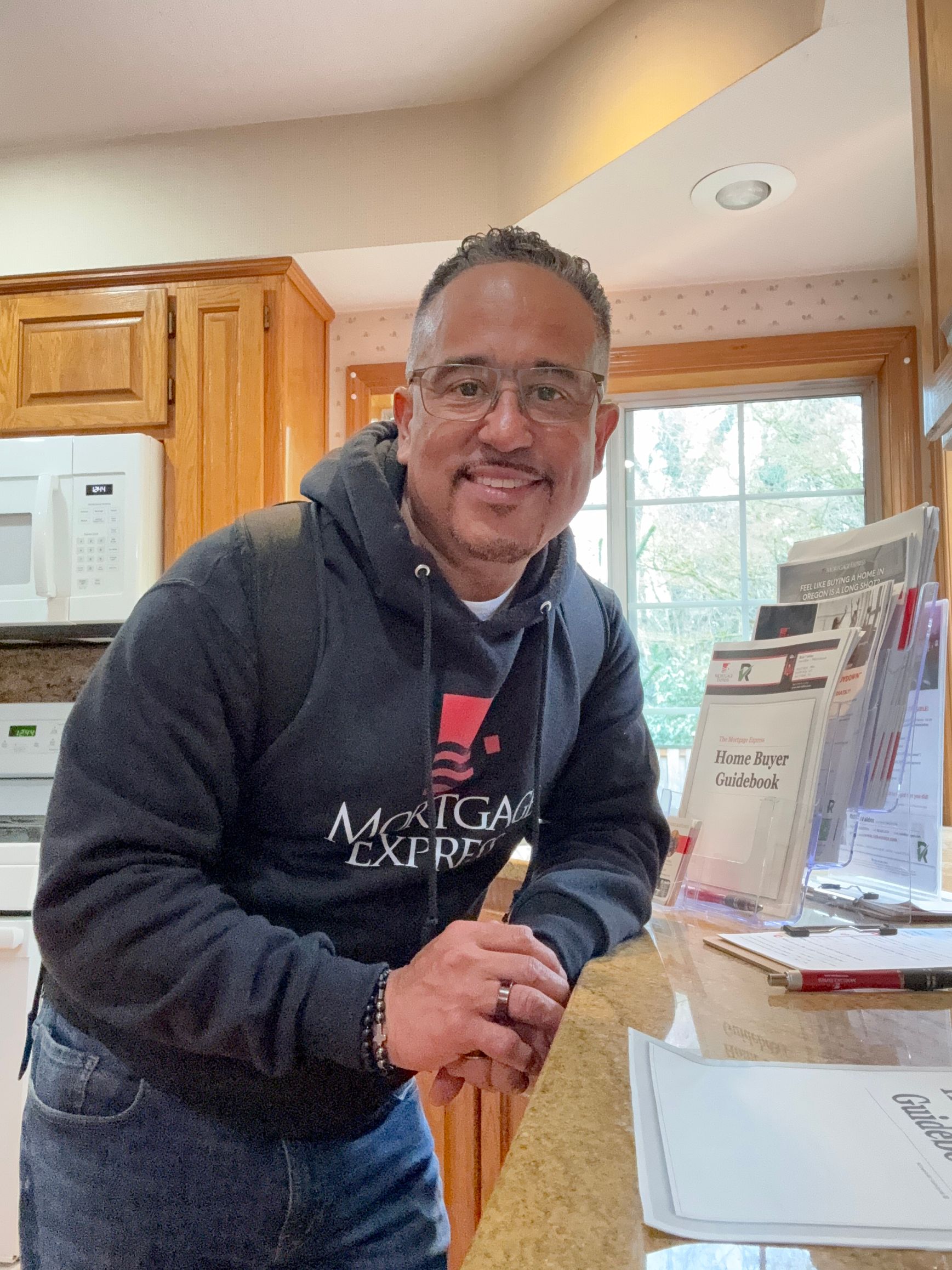
Rick Valdez, Loan Officer, NMLS #105548, serves borrowers in Oregon and several other western states with conventional, government-backed, jumbo, fixed-rate, mobile home, DACA, ITIN, and down payment assistance options. A mortgage company can review a borrower's financial profile and homebuying goals to narrow a large field of programs into the options that may fit.
Your Goals Help Define the Starting Point
The process begins with what the borrower is trying to accomplish. A first-time buyer with limited cash for a down payment may need different financing than a repeat buyer purchasing a higher-priced property. Someone planning to stay in a home for many years may also prioritize different loan features than someone who expects to move sooner.
Loan officers typically ask about the expected purchase price, available down payment, preferred monthly payment, property type, intended occupancy, and timing. Those answers help identify which program categories deserve a closer look.
Rick Valdez offers no-cost homebuying consultations and same-day pre-approvals for eligible borrowers. Starting with a conversation about goals can help a mortgage company focus on programs that make sense for the situation rather than presenting every loan product available.
Income and Employment Affect Borrowing Capacity
Lenders need to determine whether a borrower has enough qualifying income to support the proposed housing payment and other monthly obligations. Depending on the borrower's situation, documentation may include pay stubs, W-2s, tax returns, bank statements, or records related to self-employment and other income sources.
The lender also reviews the consistency and documentation of that income. This does not mean every borrower must have the same type of job history. It means the income used to qualify generally has to meet the requirements of the loan program and underwriting process.
Debt-to-income ratio is another important part of the review. This compares qualifying monthly debt obligations with gross monthly income. Different programs can have different guidelines, so the same borrower profile may fit one program differently than another.
Credit Helps Determine Which Programs and Terms May Be Available
Credit history can influence loan eligibility, interest rates, mortgage insurance, and other terms. Lenders may review credit scores along with payment history, outstanding debt, recent credit activity, and other information in the credit report.
A lower credit score does not automatically mean home financing is impossible. Government-backed programs such as FHA loans may have different qualifying standards than conventional financing, while other loan programs may have their own requirements.
Rick Valdez offers conventional conforming loans as well as FHA, USDA, and VA options. A mortgage company can compare a borrower's credit profile with the guidelines for those programs and explain which paths may warrant further review. Final approval still depends on underwriting and all applicable program requirements.
Available Cash Can Shape the Loan Options
Down payment and closing-cost funds can change which mortgage programs are practical. Some borrowers have substantial savings, while others want to preserve cash for moving expenses, repairs, reserves, or other priorities.
Rick Valdez advertises 0% down payment options for qualifying borrowers and access to down payment assistance programs, including programs in Oregon and Washington. These programs can have specific income, location, property, or borrower requirements, so availability should be reviewed for the individual transaction.
Assets may also matter beyond the down payment. Depending on the loan program, a lender may need to document funds for closing or financial reserves. Reviewing bank and asset statements early can help identify what documentation will be needed later in the process.
The Property Itself Can Change the Financing
Mortgage qualification is not based only on the borrower. The home being financed can also affect which loan programs are available. Property type, value, location, condition, and intended use may all matter.
For example, jumbo financing is designed for loan amounts above conventional conforming limits and commonly involves different underwriting requirements. Manufactured or mobile homes may also require specialized financing depending on how the home is titled, where it is located, and other program rules.
Rick Valdez offers jumbo non-conforming loans and In Park Mobile Home Loans in addition to more traditional mortgage products. Identifying the property type early helps avoid spending time evaluating a loan program that does not fit the home being purchased.
Some Borrowers May Qualify Through Specialized Programs
Not every borrower follows a traditional financing path. Immigration documentation, location, military eligibility, rural property requirements, and other circumstances can open or close certain program options.
Rick Valdez offers financing programs for DACA recipients and borrowers using an Individual Taxpayer Identification Number, or ITIN. His team also works with government-backed FHA, USDA, and VA loans. Each program has its own eligibility standards, documentation requirements, and property rules.
This is one reason a broad loan review can be useful. Instead of assuming a conventional loan is the only route, a mortgage company can determine whether another program may better match the borrower's circumstances.
Pre-Approval Turns General Options Into a More Specific Picture
Early conversations can identify possible programs, but a pre-approval generally requires a more detailed review of the borrower's financial information. Documents may be used to verify income, assets, debts, and other information before the lender issues a preliminary assessment of buying power.
Rick Valdez offers same-day pre-approvals when the necessary information can be reviewed promptly. A pre-approval is not a guarantee of final loan approval because the property, appraisal, underwriting, and other conditions still need to be satisfied.
However, completing this step can help borrowers understand a realistic price range and see how different loan structures may affect the purchase. It can also uncover documentation questions before a home is already under contract.
Loan Options Should Be Compared Beyond the Interest Rate
Interest rate is important, but borrowers should also understand the broader cost and structure of a mortgage. Down payment, mortgage insurance, lender fees, loan term, closing costs, and monthly payment can all affect the financial impact of the loan.
According to the Federal Reserve, 64% of adults who owned their home had a mortgage in 2025, and the median monthly mortgage payment was $1,600. That payment figure illustrates why understanding the complete monthly obligation is an important part of comparing financing options.
A mortgage company can explain the differences among available programs so borrowers can compare them in the context of their own goals. The final choice should reflect both qualification requirements and the borrower's comfort with the costs and terms.
Good Loan Matching Depends on Good Information
A lender can provide more useful guidance when the financial information it receives is complete and accurate. Borrowers can prepare by gathering recent income records, bank statements, tax documents when required, identification, and information about current debts and assets.
Rick Valdez and his team have provided mortgage services since 2007 and offer fast responses, no-cost homebuying consultations, and a Spanish-speaking team. They serve borrowers in Oregon as well as Arizona, California, Washington, Idaho, and Colorado.
Working with a mortgage company is ultimately about narrowing the available programs to those that fit the borrower, property, and transaction. By reviewing goals, income, debt, credit, available funds, property type, and program requirements together, a lender can help borrowers understand which loan options deserve serious consideration before they move forward.